Mental Health Advocate Campaign
A mental health advocacy campaign that partnered with state agencies and local businesses to educate high school students about mental health and the five signs of emotional distress.
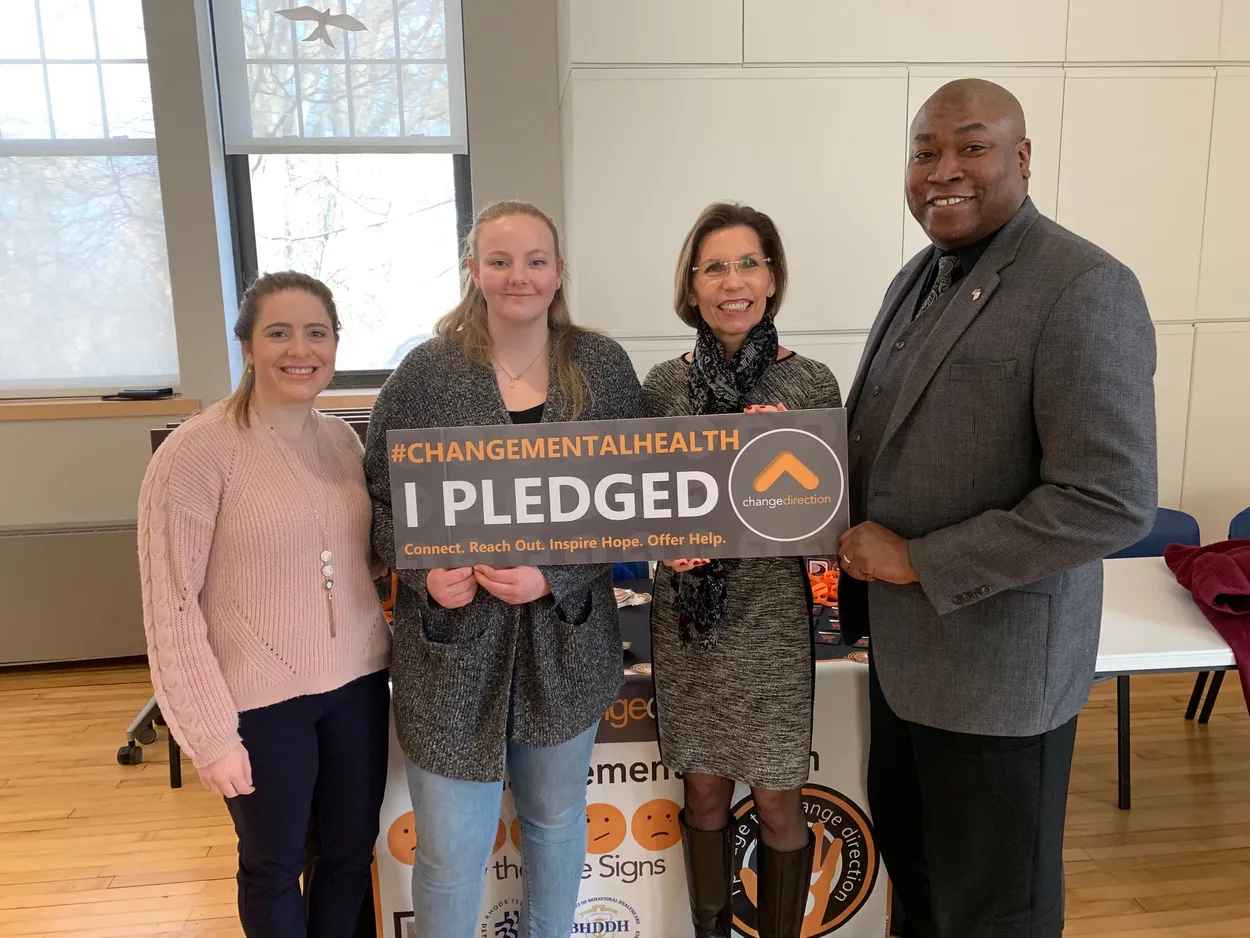

Campaign Overview
Campaign: Change Direction Mental Health Challenge
Role: Ambassador
Period: 2018-2019
Social Media: @nkmentalhealthchallenge
This campaign partnered with state agencies and more than 20 local businesses to educate high school students about mental health and the five signs of emotional distress.
Key Campaign Details
Here’s a quick overview of the campaign structure:
| Component | Details |
|---|---|
| Partners | State agencies + 20+ local businesses |
| Target Audience | High school students |
| Duration | 2018-2019 (12 months) |
| Focus | Five signs of emotional distress |
| Engagement | Monthly activities with prizes |
The Challenge
Mental health awareness among high school students needed a fresh, engaging approach. Traditional educational methods weren’t resonating with the target audience.
“We needed to break down barriers and make mental health resources accessible in a way that students would actually engage with.”
— Campaign Strategy
The Solution
As an Ambassador for the Change Direction Mental Health Challenge, I developed a comprehensive campaign with several key components:
1. Monthly Activities
Developed engaging monthly activities designed to keep students involved throughout the school year:
- January: Kickoff event with local business showcase
- February: Mental health awareness week
- March: Student art contest
- April: Community resource fair
- May: Year-end celebration and awards
2. Local Business Partnerships
Secured prizes and support from over 20 local businesses, creating community-wide involvement:
- Reached out to local businesses with partnership proposals
- Developed incentive packages for student participation
- Created co-branded marketing materials
- Established ongoing relationships for future campaigns
3. Educational Content
Focused on teaching the five signs of emotional distress in an accessible, student-friendly format:
- Personality Change: Sudden or gradual shifts in behavior
- Agitation: Uncharacteristic anger, anxiety, or moodiness
- Withdrawal: Pulling away from friends, family, and activities
- Poor Self-Care: Decline in personal hygiene or appearance
- Hopelessness: Expressing feelings of worthlessness or despair
Campaign Structure
The campaign maintained consistent engagement through multiple touchpoints:
Campaign Timeline:
├── Monthly Challenges
│   ├── Activity planning
│   ├── Content creation
│   └── Prize coordination
├── Social Media
│   ├── @nkmentalhealthchallenge
│   ├── Weekly posts
│   └── Student spotlights
└── Community Events
    ├── School presentations
    ├── Business partnerships
    └── Resource distribution
Social Media Strategy
Maintained active engagement through @nkmentalhealthchallenge with:
- Weekly educational posts about mental health
- Student success stories and testimonials
- Partnership highlights with local businesses
- Campaign updates and event announcements
- Resource links and support information
Content Examples
Here are some types of content we created:
Educational Posts:
- Infographics explaining the five signs
- Quick tips for supporting friends
- Resource guides for students
Engagement Posts:
- Student challenges and activities
- Prize announcements
- Community spotlights
Support Posts:
- Crisis hotline information
- Local mental health resources
- Encouragement and positive messaging
Results & Impact
While specific metrics aren’t available for this campaign, similar initiatives typically see:
- ✅ Increased awareness of mental health resources
- ✅ Stronger community connections
- ✅ Improved student engagement with mental health topics
- ✅ Long-term impact on student well-being
Lessons Learned
This campaign demonstrated several important principles:
Community Partnerships Matter
Working with local businesses created a sense of community ownership and support.Consistency is Key
Monthly activities kept the campaign top-of-mind throughout the school year.Make It Engaging
Prizes and interactive elements helped break down barriers to discussing mental health.Accessibility First
Presenting information in student-friendly formats increased engagement significantly.
Technical Notes
This example post demonstrates various MDX formatting features available in Keystatic:
- Headings - Use
##for main sections,###for subsections - Bold and italic - Use
**bold**and*italic*for emphasis - Lists - Bulleted lists with
-and numbered lists with1. - Blockquotes - Use
>for quotes and callouts - Tables - Organize data with pipe-separated columns
- Code blocks - Use triple backticks for code or diagrams
- Links - Create links with
[text](url) - Horizontal rules - Use
---for section breaks - Images - Add images inline or use the heroImage field
For future campaigns, consider documenting:
- Clear objectives and success metrics
- Partnership details and contact information
- Content calendar and posting schedule
- Student feedback and testimonials
- Resource links and support materials
Additional Resources
If you’re working on a similar campaign, here are some helpful resources:
- Mental Health America - Resources and tools
- National Alliance on Mental Illness - Support and education
- Crisis Text Line - 24/7 support via text
This blog post demonstrates various MDX formatting capabilities available in Keystatic. Experiment with different elements to find what works best for your content!